Wondering how to start organizing your home when everything feels overwhelming? It often begins with the little things. A drawer that won’t close. A kitchen counter covered in things that belong somewhere else. A chair that has quietly become a second wardrobe.
When several spaces need attention, it can be difficult to know where to begin. The temptation is to empty every cupboard, buy matching containers, and make a whole weekend of it. But a smaller start can feel much more manageable.
The aim is to make one part of your day easier. You can build from there.
How to Start Organizing Your Home One Small Space at a Time
Choose somewhere you use often, with a clear boundary: one drawer, one shelf, or the spot where you leave your keys. Avoid beginning with every item in an entire room.
A useful question is: “Which small space causes an unnecessary inconvenience every day?”
If you regularly search for your keys, start by the front door. A cluttered kitchen counter can make preparing breakfast more difficult, so choose one small section to organize first. And when you can never find the charger you need, the cable drawer might be the perfect place to begin.
Pick a task you can finish with the time and energy you have today.
This post contains affiliate links. If you make a purchase through these links, I may earn a small commission at no additional cost to you. As an Amazon Associate I earn from qualifying purchases.
Decide what that space needs to do
Before moving anything, give the space a purpose.
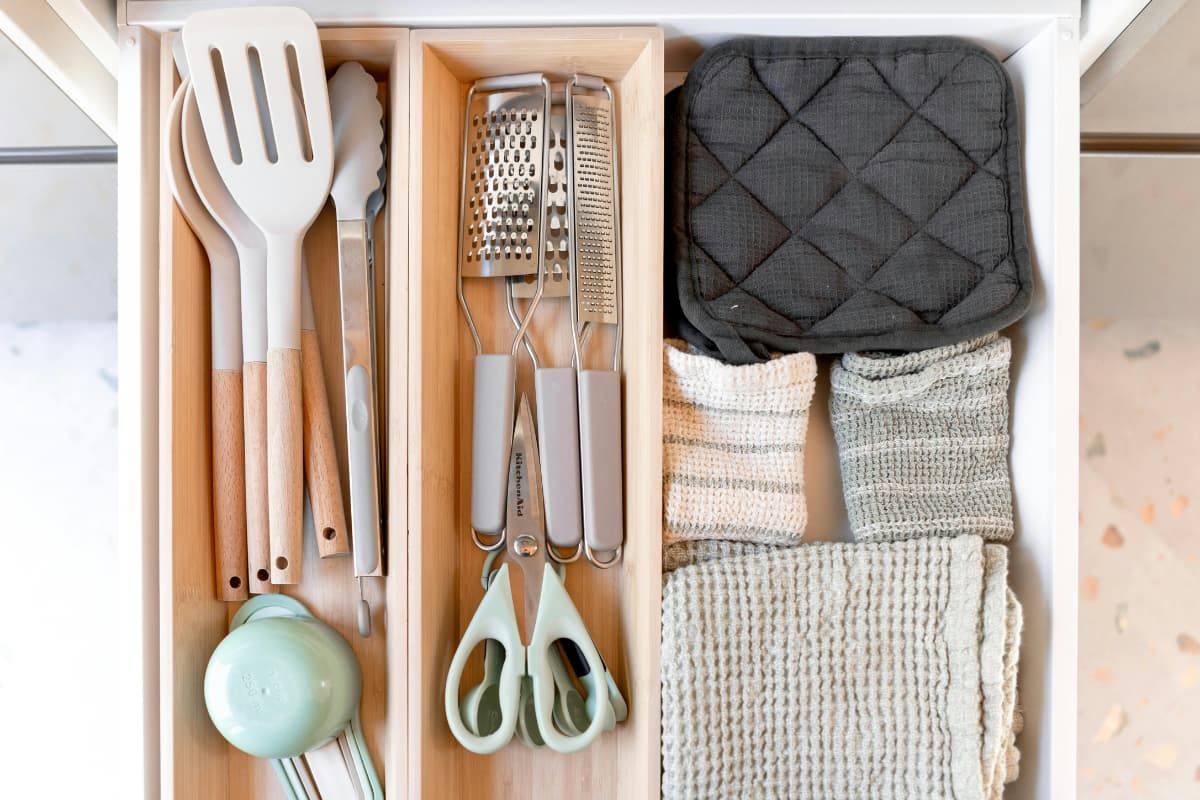
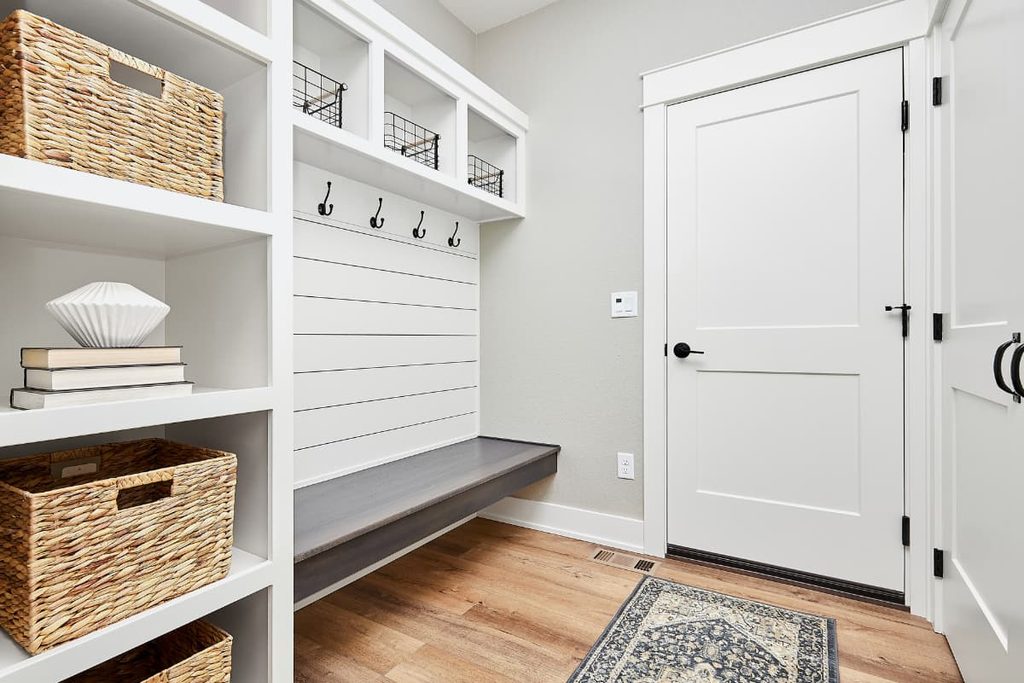
An entryway tray might hold the keys and sunglasses you take out each day. A bedside drawer might hold a book, a charger, and a few things you use before bed. A kitchen drawer might hold the utensils you reach for while cooking.
This purpose gives you a way to make decisions. Instead of asking whether an object could fit, ask whether it belongs in that part of your routine.
You don’t need a strict rule for every cupboard. You need enough clarity to stop one small space from becoming storage for everything.
Sort before choosing storage
Take out the contents of your chosen space. If that would create more mess than you can manage, work through one section at a time.
Separate things into four groups:
- Keep here: items that support the purpose of this space.
- Move elsewhere: items you want to keep but that belong in another location.
- Pass on: usable things you no longer need.
- Dispose of appropriately: rubbish and items that need suitable local recycling or disposal.
If something is difficult to decide about, put it aside temporarily and come back to it before finishing. A permanent “maybe” box can easily become another place to lose things.
Move the items that belong elsewhere before calling the task done. Otherwise, you may have a tidy drawer and a new pile beside it.
Give frequently used things the easiest places
Arrange the remaining items around how you use them.
Keep everyday things easy to see and reach. Group related items together: the chargers you use, the utensils for cooking, or the things you take when leaving the house.
Consider how much effort it takes to put something back. A beautiful box with a lid might suit occasional items, while a simple open tray may be easier for keys you pick up and return several times a day.
Use containers you already own first. A small box or spare tray can help you try a layout before deciding whether you need anything new.
Helpful Find: Pinishell Bamboo Drawer Organizer
If your kitchen drawer needs more structure, an expandable bamboo organizer like the Pinishell Bamboo Drawer Organizer is one option to consider. Measure your drawer’s internal width, depth, and height before buying, and check that the compartments suit the items you want to store.
Start with what you already have—only add storage when it solves a specific problem.
Leave a little room
Try arranging the space so you can remove and replace an item without shifting everything else.
If a drawer still feels crowded, revisit what needs to live there. You might move occasional items to another suitable spot or decide that you don’t need every duplicate.
Empty space can be useful. You don’t have to fill every corner for a drawer to be organized.
Try the system in everyday life
Use the new arrangement for a few days. Notice what returns to the wrong place, what is awkward to reach, and what you keep leaving on a nearby surface.
If the tray is too far from where you naturally put your keys, move it. If stacking containers makes it difficult to reach the one you use most, change the layout.
A system can be adjusted. The first arrangement is simply a starting point.
Set a stopping point before you begin
When you’re learning how to start organizing your home, setting a clear stopping point can help keep small tasks from becoming overwhelming.
Before opening a drawer or clearing a shelf, decide what “finished for today” will look like. It might mean sorting the contents, wiping the empty space, and returning only the things that belong there. Having a clear stopping point helps you avoid turning a small task into several unfinished projects.
Choose a time limit that feels realistic. If you have fifteen minutes, work on a narrow section rather than emptying a whole cupboard. Leave a few minutes at the end to put things back and deal with anything you have removed.
Keep a small bag for rubbish and a container for items that belong elsewhere nearby. This makes it easier to stay with the task instead of walking between rooms and finding more things to organize.
If you run out of time, restore the space so it can still be used. You can continue another day without leaving your home harder to manage than it was before.
How to Start Organizing Your Home Without Doing Everything at Once
Some objects are easy to sort. Others come with questions: What if I need this later? Wasn’t this expensive? Could it be useful for something?
You don’t need to answer every difficult question during your first organizing session. Begin with straightforward decisions, such as removing rubbish or moving an item that clearly belongs elsewhere. Then consider the remaining objects one at a time.
Ask yourself:
- Have I used this recently, or do I have a specific reason to use it soon?
- Does it work and suit the way I live now?
- Do I already own something that does the same job?
- Would I know where to find it if I needed it?
Not every item needs frequent use to deserve a place in your home. Seasonal belongings and meaningful keepsakes may have a clear purpose even when they stay stored for months.
If you set something aside to decide about later, choose a date to revisit it. Keep that temporary collection small enough to review without creating another overwhelming task.
Separate organizing from buying
It is easy to imagine that the right containers will solve a cluttered space. Sometimes they help, but choosing them too early can leave you with storage that doesn’t fit your belongings or your home.
First, sort what you have and try a simple arrangement. A spare box can hold cables while you test whether that location works. An existing tray can show you how much space you need for everyday essentials.
When something still needs a better solution, identify the problem before shopping. Are small items mixing together? Is a shelf too deep to reach comfortably? Does a container make things difficult to put away?
Measure the available space and consider how the storage will be used. A drawer organizer needs to fit the drawer’s internal dimensions. A basket needs enough room to slide out. A lidded box needs clearance to open.
Buy for a specific job, and give yourself permission to keep a practical arrangement even if the containers don’t match.
Build the system around everyone who uses it
If you share your home, an organizing system needs to make sense to the other people using that space, too.
Before rearranging shared belongings, ask what feels inconvenient and what needs to stay easy to reach. Someone else may use a drawer differently or naturally leave an item in a different place.
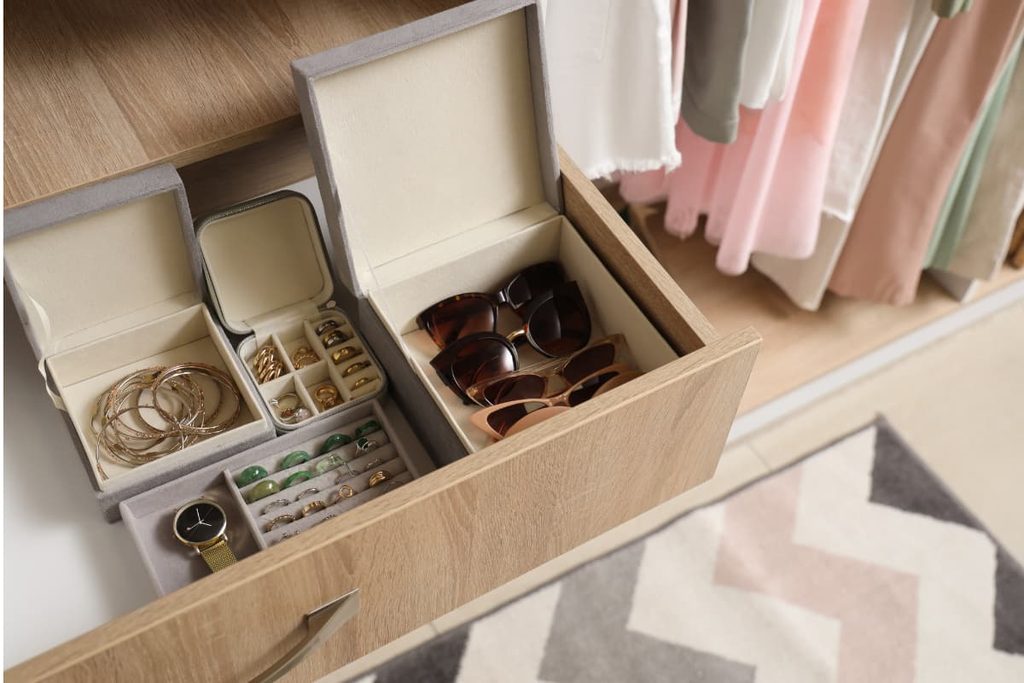
Simple categories are often easier to maintain than very detailed ones. One section for everyday cooking utensils may be more practical than a separate compartment for each type. Labels can help when the contents are not obvious, but you don’t need to label everything.
Avoid making decisions about another person’s belongings without involving them. For shared spaces, agree on where things belong and try the arrangement together.
If items repeatedly end up somewhere else, look at the habit behind it. Moving the storage closer to where an item is used may help more than repeatedly asking everyone to put it away.
Plan a small reset
Once a space is organized, choose an easy moment to check it. You might return stray items when you finish cooking or straighten the entryway before bed.
Keep the reset focused on that space. Put back what belongs there, remove what doesn’t, and notice anything that no longer fits the system.
If the same pile keeps returning, adjust the arrangement. An organized home develops through small changes that make everyday routines easier.
Once you’ve created a more organized space, a simple weekly cleaning schedule can help you maintain it without spending your entire weekend cleaning.
Make the next step small, too
Learning how to start organizing your home doesn’t mean tackling every room at once. Once your first space feels useful, choose another small area. You might organize the shelf below it or tackle a different daily inconvenience.
You don’t have to turn a tidy drawer into a whole-house project immediately. A few useful spaces, finished one at a time, give you somewhere to start and something to build on.
For today, choose one drawer, one shelf, or one surface. Give it a clear purpose, keep what belongs there, and make those things easy to put away.
Leave a Reply