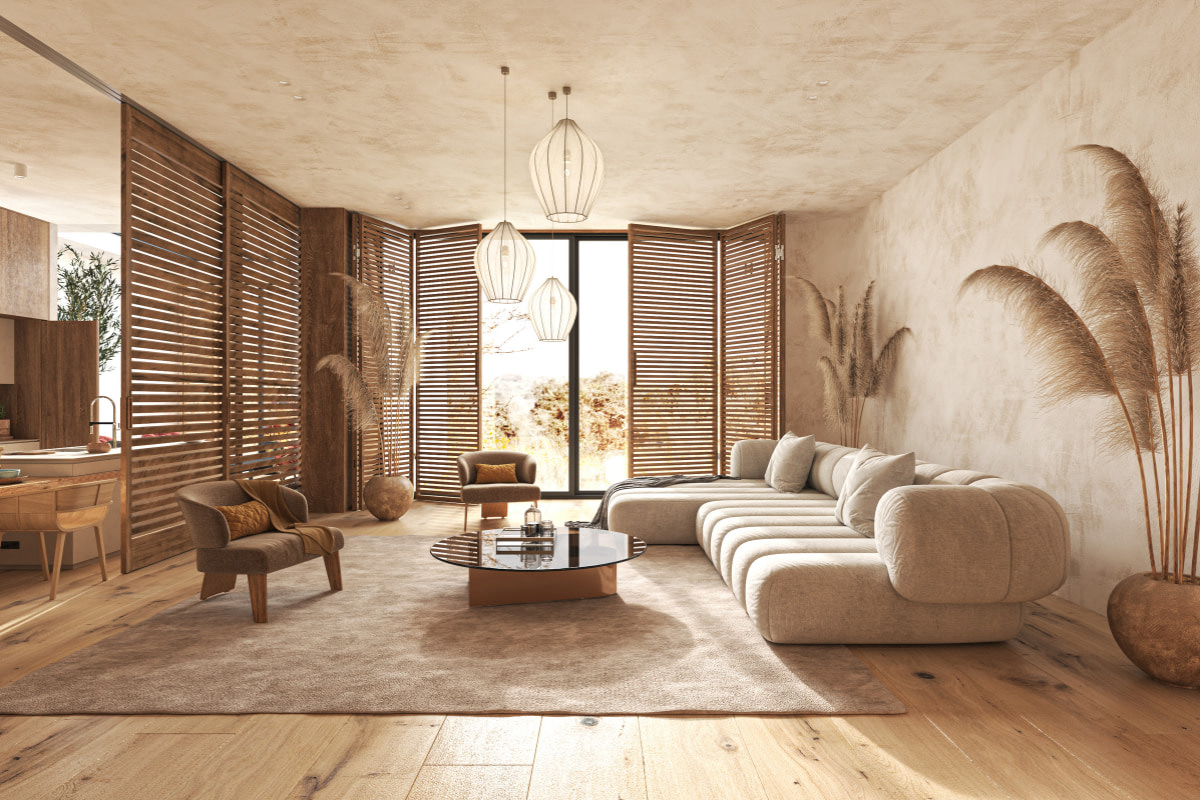
Have you ever wondered how to make your home feel calm and peaceful, even when everyday clutter, unfinished chores, and busy rooms make it difficult to relax?
You come home after a long day, put your bag down, and look around. There are things on the kitchen counter, a blanket thrown over the sofa, and a few little jobs waiting for your attention. Nothing is terribly wrong, but somehow, the space doesn’t feel quite as relaxing as you’d like.
I love a home that feels warm, welcoming, and comfortable. Soft cushions, candles, beautiful plants, simple vases, and lovely scents are some of my favorite details. They’re small things, but they can make an ordinary evening at home feel a little more special.
And I don’t believe you need expensive furniture, perfectly styled shelves, or a completely minimalist interior to create that atmosphere. Sometimes, a few thoughtful adjustments are enough.
If you’re looking for how to make your home feel calm and peaceful, these 12 practical ideas will help you create a space that feels more comfortable, organized, and enjoyable to live in. The best part is that you can start with what you already have.
Learning how to make your home feel calm and peaceful doesn’t require a complete makeover. Often, it’s the smallest changes that make everyday spaces more comfortable and inviting.
This post contains affiliate links. If you make a purchase through these links, I may earn a small commission at no additional cost to you. As an Amazon Associate I earn from qualifying purchases.
1. Clear the Surfaces That Make Your Home Feel Busy
One of the easiest ways to create a calmer atmosphere is to pay attention to the surfaces you see every day. Think about your kitchen countertop, coffee table, bedside table, or the little cabinet near your front door. These places often collect things without us even noticing.
A few letters, an empty mug, hair accessories, charging cables, and other everyday items can quickly make a room look busier than it actually is. You don’t need to remove everything. The goal is simply to keep the things you use or genuinely enjoy looking at.
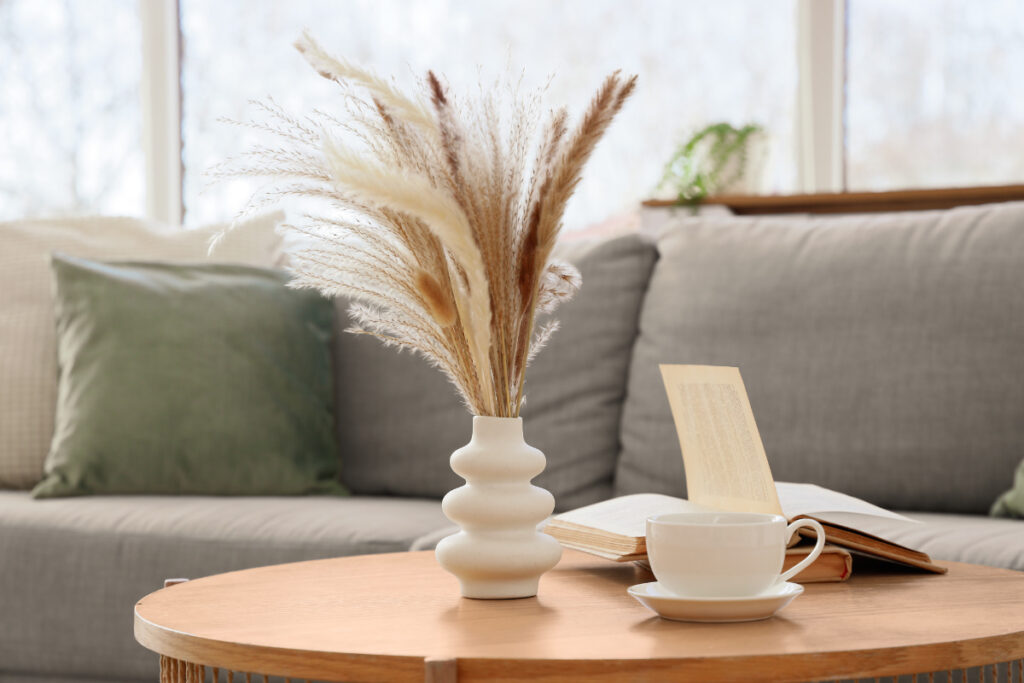
Choose one surface and take everything off it. Wipe it down, then put back only the items that belong there. A coffee table might look lovely with a small vase, a candle, and a favorite book.
If you’re not sure where to begin, try removing just five unnecessary items. Sometimes, that’s enough to make the whole corner feel different.
If you need a little more help getting started, my guide on how to start organizing your home when you feel overwhelmed walks you through the process one manageable space at a time.
2. Create a Calm Atmosphere With Soft Lighting
Have you noticed how different your living room feels when you switch off the bright ceiling light and turn on a small lamp? Lighting is one of those details that can completely change the atmosphere without requiring much effort.
Bright lights are useful when you’re cooking, cleaning, or working. But in the evening, softer lighting often feels more comfortable. I especially love the cozy atmosphere that a few carefully placed lamps can create.
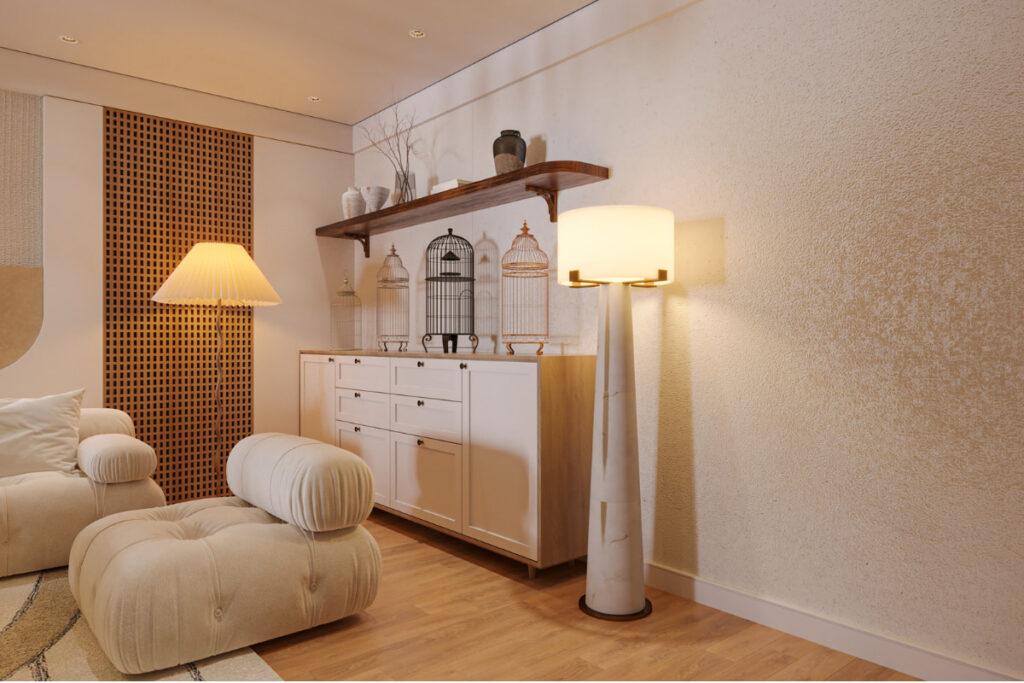
Instead of relying on one strong overhead light, try adding smaller light sources around the room. A table lamp beside the sofa, a floor lamp in a reading corner, or a small bedside lamp can help create a warmer atmosphere.
Choose warm-white bulbs for spaces where you like to relax, and consider dimmable options if you want more flexibility. You can also experiment with lamp placement. A light directed toward a wall may feel gentler than one shining directly into your eyes.
Tonight, try leaving the ceiling light off and using your smaller lamps instead. You may already have everything you need to create a more comfortable evening atmosphere.
3. Add Soft Cushions and Comfortable Textures
A beautiful room isn’t necessarily a comfortable room. Sometimes, what makes a space inviting is the feeling of sinking into a sofa with a soft cushion and pulling a warm blanket over your legs.
Decorative cushions are one of my favorite ways to make a living room feel more welcoming. They’re practical, easy to change, and can add personality without taking up much space. But there’s no need to fill the entire sofa with them.
Two or three well-chosen cushions can look more balanced than a large collection that has to be moved every time someone wants to sit down. Try combining different materials in similar colors, such as a linen cushion, a soft knitted throw, and a cotton blanket. A soft area rug can also make a room feel warmer and more inviting, especially if you have hardwood or tile floors. Choose a neutral shade or a subtle pattern that complements your existing furniture without making the space feel too busy.
Neutral shades work beautifully together, but you can also introduce muted greens, dusty blues, or warm terracotta tones. The most important thing is choosing fabrics that feel pleasant and suit your everyday life.
If you have pets or children, washable cushion covers may be a particularly practical choice. Before buying anything new, try rearranging the cushions and blankets you already own. Moving a throw from the bedroom to the living room might be all you need for a fresh look.
4. Bring Nature Indoors for a Peaceful Home
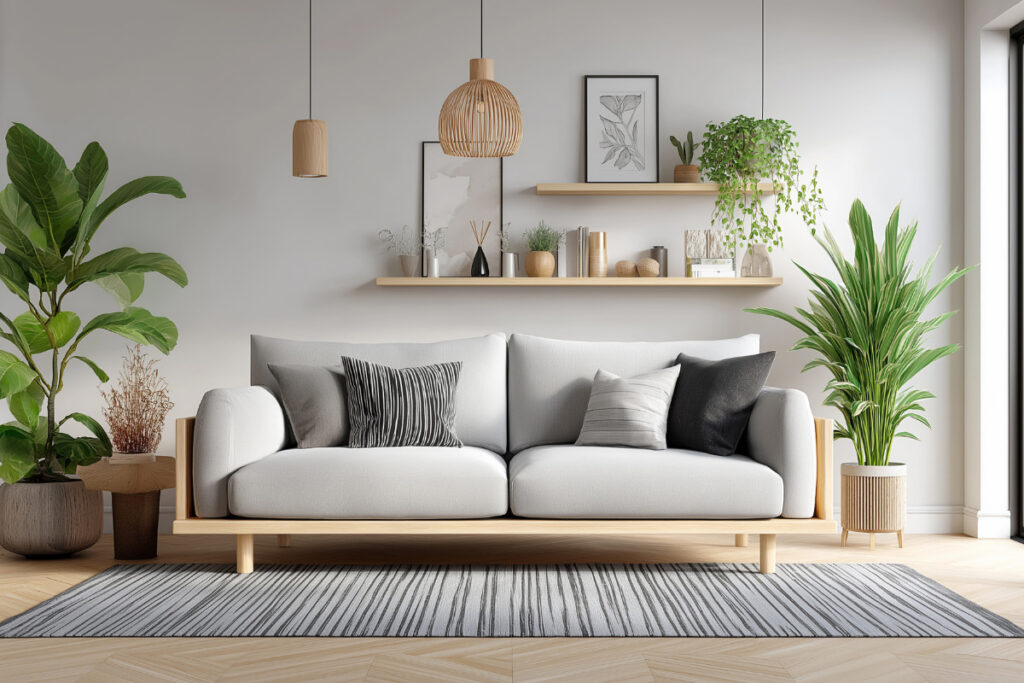
Plants have a wonderful way of making a room feel more alive. Even a simple green plant on a shelf or beside a window can add color and softness to a space filled with furniture and everyday objects. I particularly like how greenery works with natural wood, neutral walls, and simple ceramic decorations.
You don’t need dozens of houseplants to achieve a lovely result. In fact, one larger plant in a well-chosen corner can sometimes look better than several smaller pots scattered across every surface.
Before choosing a plant, think about how much natural light the room receives and how often you’ll realistically be able to care for it. Pothos, snake plants, and spider plants are commonly chosen for indoor spaces, although their needs differ. Always check whether a plant is safe for any pets or children in your household.
If you don’t enjoy plant care, a vase with a few branches or seasonal flowers can be a beautiful alternative. You could also group two or three plants together rather than spreading them around the room.
A simple terracotta or ceramic planter can make greenery feel like a natural part of your decor. Choose a pot that complements the colors and materials already in your space.
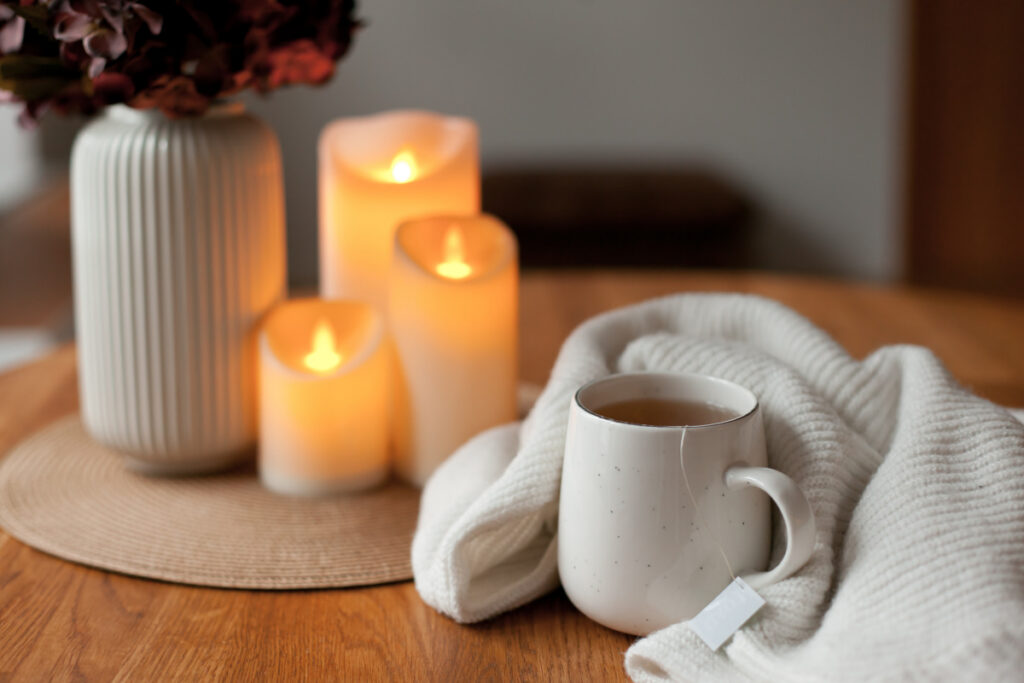
5. Use Candles to Create a Cozy Evening Atmosphere
There’s something lovely about lighting a candle at the end of a busy day. The soft flicker adds warmth to a room, and the simple act of preparing a comfortable evening can become a pleasant little ritual.
Candles are one of my favorite home accessories because they can be both decorative and functional. A beautiful candle on a wooden tray, next to a small vase or a book, can make an ordinary coffee table feel more thoughtfully arranged.
You don’t need to light several candles at once. One is often enough to create the atmosphere you’re looking for.
Choose a stable, heat-resistant surface and keep candles away from curtains, books, decorations, and anything else that could catch fire. Never leave a burning candle unattended, and keep it away from children and pets.
If you prefer not to use an open flame, flameless LED candles are another option worth considering. Some have a warm flickering effect that creates a similar visual atmosphere.
I also like the idea of using candles as part of a simple evening routine rather than saving them only for special occasions. A cozy home should be something you enjoy on an ordinary Tuesday, too.
6. Choose a Color Palette That Feels Comfortable
When thinking about how to make your home feel calm and peaceful, color is a useful place to start. You don’t need to repaint every wall or replace your furniture. Instead, look at the colors already present in your favorite room.
Are there several strong colors competing for attention? Do your cushions, curtains, rugs, and decorations work well together? Sometimes, making a room feel more cohesive is simply a matter of repeating a few colors.
Try choosing one main color, one supporting shade, and one accent color. For example, warm cream as your main color, sage green as a supporting shade, and natural brown through wood and woven accessories can create a soft, welcoming look without feeling plain.
Of course, a peaceful interior doesn’t have to be neutral. If you love richer colors, use them. The idea is to choose a palette that you enjoy rather than following a particular decorating trend.
You can introduce your chosen colors through cushion covers, blankets, plant pots, and artwork. These small changes are much easier than redesigning an entire room.
7. Make Your Bedroom a More Relaxing Space
Your bedroom doesn’t need to look like a luxury hotel to feel comfortable. A freshly made bed, a clear bedside table, and soft lighting can already make a noticeable difference.
Start by looking at what you see when you enter the room. Is there a chair covered with clothes, a pile of things on your dresser, or too many items beside your bed? These are common everyday situations, and they don’t mean your bedroom needs a complete makeover.
Begin with the practical things. Put away clothes that have accumulated, make room for the items you use at night, and remove anything that doesn’t need to be in the bedroom.
Then consider the details that make the room more inviting. Comfortable bedding, a soft blanket, a bedside lamp, and perhaps a small vase can be enough.
I prefer the idea of keeping bedroom decorations simple, especially around the bed. You want the room to feel welcoming, not like another space you constantly need to tidy.
Try spending ten minutes refreshing your bedroom this evening. You might be surprised how much more pleasant it feels when you return later.
8. Introduce Gentle, Pleasant Scents
A home isn’t only about what you see. The way a room smells can also influence how welcoming it feels.
I love the idea of walking into a freshly aired room with a gentle, pleasant scent. It doesn’t need to be strong or noticeable from every corner. Sometimes, the simplest approach works best.
Open the windows when outdoor conditions allow, empty the bins regularly, wash textiles when needed, and keep the kitchen clean. These basic habits help create a fresh foundation before you add any fragrance.
If you like scented home accessories, consider a lightly scented candle, a reed diffuser, or another fragrance product suitable for your space. Vanilla, soft floral fragrances, and gentle woody scents are popular choices for cozy interiors.
However, fragrance is very personal. Some people prefer stronger scents, while others find them overwhelming or irritating. Pets and household members with respiratory sensitivities may also require extra caution.
Choose products carefully, follow their safety instructions, and remember that fragrance is completely optional. A clean, well-ventilated room can feel lovely without any added scent at all.
The goal is comfort, not making your home smell like a perfume shop.
9. Create a Calm and Peaceful Corner to Unwind
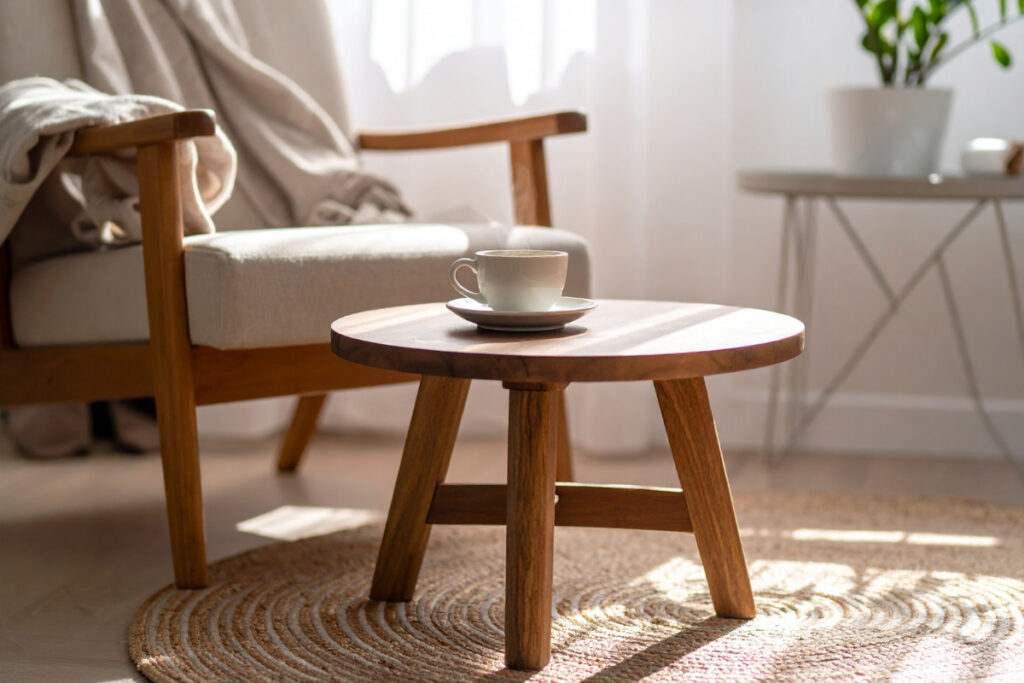
Not every relaxing space needs to be a separate room. Even if you live in a small apartment, you can create a comfortable little corner for reading, drinking coffee, or simply sitting quietly.
It might be an armchair near a window, one end of your sofa, or a small spot in your bedroom. You don’t need much space. A comfortable seat, a soft cushion, and a lamp may be all you need.
Think about how you’d like to spend a few quiet moments in this space. A favorite book on a nearby table, a comfortable spot for your morning coffee, or a chair positioned toward the window can make the corner feel more inviting and personal.
Try to keep this little area free from laundry, paperwork, and other things waiting to be put away. It doesn’t need to look perfect all the time. Simply keeping it reasonably tidy will make it easier to settle in and enjoy a few peaceful minutes whenever you have the chance.
It doesn’t have to remain perfectly tidy, but keeping it reasonably clear makes it easier to enjoy whenever you have a few minutes.
And don’t worry if your home is too small for an extra chair. Your favorite spot on the sofa can serve exactly the same purpose.
When you’re thinking about how to make your home feel calm and peaceful, having even one comfortable spot where you can slow down can make a meaningful difference.
10. Style Shelves With Vases and Meaningful Decorations
Decorations can make a house feel personal. I particularly love simple vases, candles, and little accessories that add warmth without making a space feel crowded.
But it’s easy to reach a point where every shelf is full, and the individual objects become difficult to appreciate. You don’t have to get rid of things you love. Sometimes, you just need to display them differently.
Try arranging your favorite items in small groups rather than placing everything in one continuous row. For example, you could combine a simple ceramic vase, two or three books, a small decorative bowl, and a framed photograph.
Then leave some empty space around the arrangement. Varying the height and shape of objects can make the display more interesting.
A tall vase beside a short stack of books often looks more balanced than several objects of exactly the same size. You can also rotate decorations throughout the year.
Instead of displaying everything at once, store a few items and bring them out when you feel like refreshing the room. This makes it possible to enjoy different pieces without constantly buying new ones.
11. Make Your Entryway Feel Calm and Welcoming
Your entryway is the first part of your home you see when you return. It’s also one of the easiest places for clutter to build up.
Shoes, bags, keys, jackets, shopping bags, and unopened mail can quickly turn a small space into a crowded one. Creating a more welcoming entrance doesn’t necessarily require a new cabinet or expensive storage system.
Often, it’s about making everyday things easier to put away. A small tray for keys, a hook for your bag, and a designated place for shoes can make the area more practical.
If you have a little extra room, a mirror or a small vase can add a decorative touch. I especially like entryways that combine practical storage with one or two welcoming details.
You might place a small plant on a console table or keep a simple basket for scarves and accessories. The important thing is making sure the decorations don’t get in the way of everyday use.
Look at the first few things you normally put down when you walk through the door. If they regularly end up on the floor or a nearby chair, consider giving them a more convenient place.
12. Create a Simple Evening Reset Routine
One of the most practical ways to maintain a comfortable home is to develop a few manageable habits. You can have beautiful cushions, lovely candles, and carefully chosen decorations, but if everyday clutter keeps building up, the space may still feel busy.
This doesn’t mean you need to clean for an hour every evening. A short reset can be enough to make the next morning easier.
Before settling down for the night, choose a few simple tasks. Put dishes in the dishwasher, clear the kitchen counter, fold the blanket on the sofa, straighten the cushions, and return everyday items to their usual places.
You don’t need to complete every task every evening. Choose the ones that make the biggest difference in your home.
If you’d like a more structured approach, take a look at my simple weekly cleaning schedule. It divides household tasks into manageable daily routines so you don’t have to leave everything until the weekend.
And remember, maintaining a welcoming home shouldn’t mean spending all your free time cleaning it. The routine is there to make life easier, not to become another responsibility that feels overwhelming.
If you’re wondering how to make your home feel calm and peaceful at the end of a busy day, a simple evening routine can be a good place to start.
How to Make Your Home Feel Calm and Peaceful Without Spending Much Money
It’s easy to look at beautiful interiors online and assume that creating a similar atmosphere requires a large budget. But a comfortable home doesn’t depend on having the newest furniture or perfectly matching accessories.
Before buying anything, try looking at what you already own with fresh eyes. Could that lamp work better in another room? Would the living room feel more balanced if you moved a small table? Could you use an empty vase or tray that’s currently sitting in a cupboard?
Sometimes, rearranging existing items can make a bigger difference than adding new ones.
When you’re considering a purchase, ask yourself whether it will improve the space or simply add another object. A new storage basket might be useful if it solves an everyday problem. A soft cushion might make an uncomfortable chair more inviting.
A table lamp could be a worthwhile addition if your living room only has harsh overhead lighting. But if you already have enough decorations, buying another vase probably isn’t necessary.
I think the most useful home accessories are the ones that combine beauty with a practical purpose. They make your surroundings more enjoyable without making everyday life more complicated.
A Few Useful Home Accessories Worth Considering
If you’ve already tried rearranging what you own and identified something your space is missing, a few carefully chosen accessories may be worth considering.
A small decorative tray is useful for grouping candles, a vase, or everyday items on a coffee table or console. Washable cushion covers offer an easy way to refresh the sofa without replacing the cushions themselves.
A warm table lamp can help create softer lighting in the evening, while a practical drawer organizer is useful when small everyday items keep getting mixed together. An expandable option such as a bamboo drawer organizer may be worth considering if its dimensions suit your drawer.
A simple ceramic vase is another versatile decorative piece for seasonal flowers, branches, or a small arrangement.
There’s no need to purchase all of these. Choose something only when it solves a specific problem or adds a detail you genuinely enjoy.
Frequently Asked Questions About Creating a Peaceful Home
What Makes a Home Feel Calm and Peaceful?
A comfortable atmosphere often comes from a combination of practical organization, pleasant lighting, familiar objects, and spaces that are easy to use. There isn’t one decorating style that works for everyone.
Some people enjoy minimal interiors with very few decorations, while others feel most comfortable surrounded by books, plants, and meaningful belongings.
The best approach is to find a balance that suits your preferences and everyday routines.
How Can I Make My Home Feel More Relaxing in One Day?
Start with the areas you use most often.
Clear one busy surface, tidy the sofa, open the curtains during the day, and adjust the lighting in the evening.
You could also refresh your bedroom or create a small corner where you can sit comfortably.
You don’t need to complete a long checklist to notice an improvement.
Choose two or three tasks that will make your space more enjoyable today.
Do I Need a Minimalist Home to Feel Peaceful?
Not at all.
Minimalism can be appealing, but you don’t need to own very few things to create a comfortable environment.
If you love candles, decorative cushions, plants, and beautiful vases, there’s no reason to remove them simply to follow a trend.
The key is choosing what you genuinely enjoy and giving those things enough space to be appreciated.
A home can feel personal, cozy, and beautifully lived in without looking crowded.
How Do I Keep My Home Feeling Calm When Life Gets Busy?
Focus on a few easy habits instead of trying to maintain a perfect appearance.
Keep everyday essentials in convenient places, reset the busiest areas when you have time, and use a flexible cleaning routine.
Some weeks, you’ll have more time and energy than others.
That’s completely normal.
A good home routine should work with your lifestyle rather than making you feel that you’re constantly falling behind.
Final Thoughts: Small Changes Can Make a Big Difference
Learning how to make your home feel calm and peaceful isn’t about following a strict set of decorating rules.
It’s about noticing the little things that make your surroundings more comfortable.
For me, that often means soft lighting, a few beautiful plants, comfortable cushions, a simple vase, or the lovely atmosphere of a candlelit evening.
But practical details matter just as much.
A clear kitchen counter, a welcoming entryway, and a manageable cleaning routine can make everyday life feel easier.
You don’t need to make all 12 changes at once.
Start with one corner, one surface, or one small habit. See how it feels, then decide what you’d like to improve next.
Because a peaceful home doesn’t have to be perfect.
It just needs to be a place where you enjoy spending your time.
What’s one small change that makes your home feel more comfortable and welcoming?
Leave a Reply